
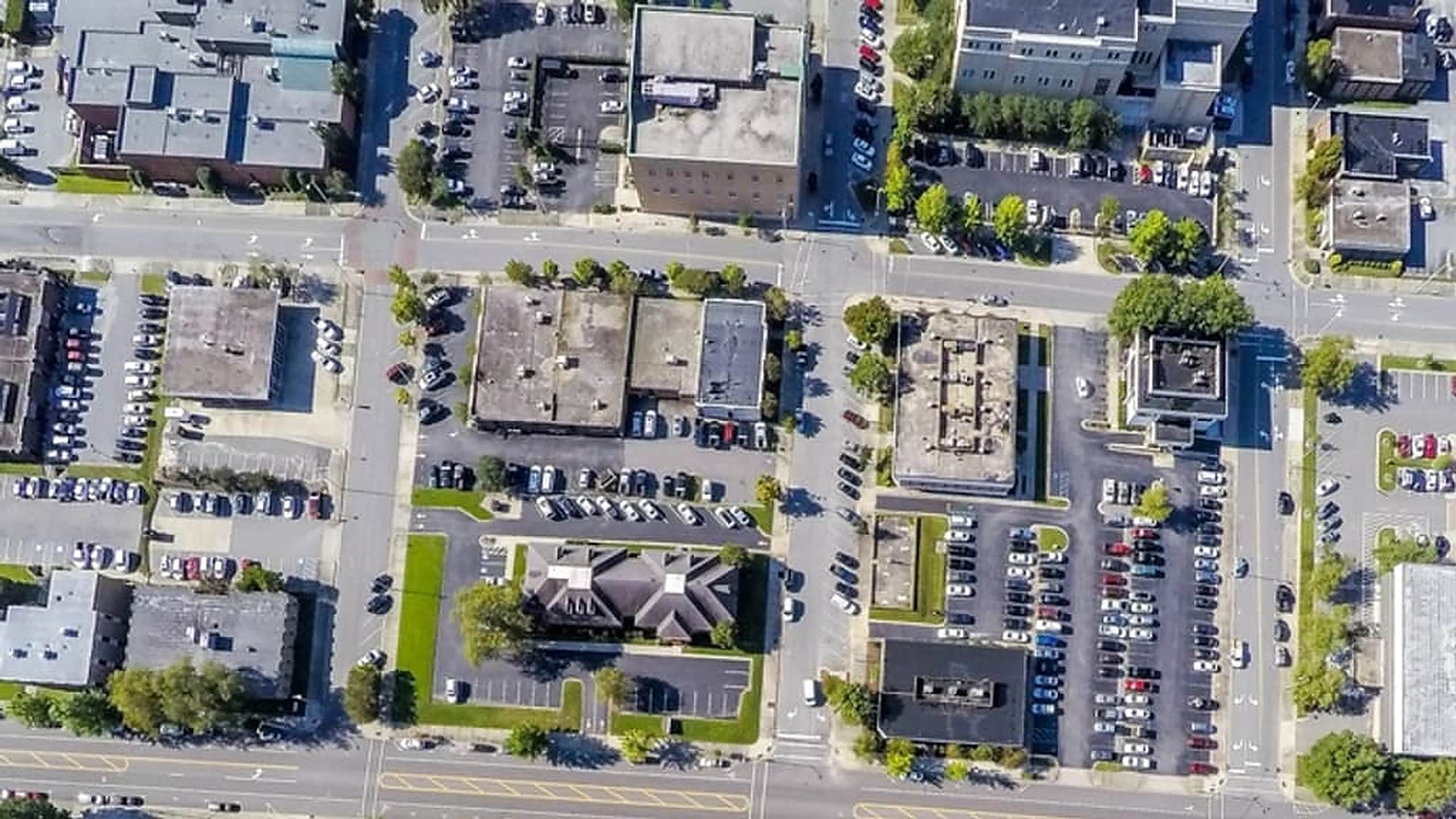
Commercial solar outreach can lose credibility before the first conversation if the property is misidentified, the ownership record is stale, the recipient has no authority, or the message makes claims that remote research cannot support.
Confirm the property identity
Check the street address, parcel, building footprint, business location, and any suite or campus relationships. Large commercial sites may span multiple parcels, share addresses, or contain several operating entities.
Distinguish owner, occupant, and operator
The parcel owner may be a holding company, real estate investment entity, public body, parent company, or landlord. The visible business at the property may be a tenant. Existing solar equipment may be owned or managed by another party.
Those roles affect who can discuss capital improvements, roof access, service records, energy use, or maintenance authorization.
Verify the likely decision path
- Confirm the organization is active and connected to the property.
- Identify the role most likely to handle facilities, energy, sustainability, real estate, operations, or asset management.
- Verify public contact details before use.
- Check whether portfolio-level ownership makes a regional or corporate contact more appropriate than a site contact.
- Record uncertainty when authority cannot be confirmed.
Check the opportunity against your service profile
Before outreach, confirm that the property falls within your geography, project size, technical capabilities, customer profile, and current business priorities. A property can be interesting in theory while being a poor operational fit for your team.
Keep the message evidence-based
A credible message can explain that public and geospatial research identified the property as worth a closer look. It should not claim that the roof qualifies, the system is underperforming, the owner is interested, or a repair is needed unless those facts have been directly verified.
Make the next conversation easier
Good pre-outreach research does not guarantee a response. It improves relevance, reduces avoidable mistakes, and gives the recipient a clear reason why the property was selected for a conversation.