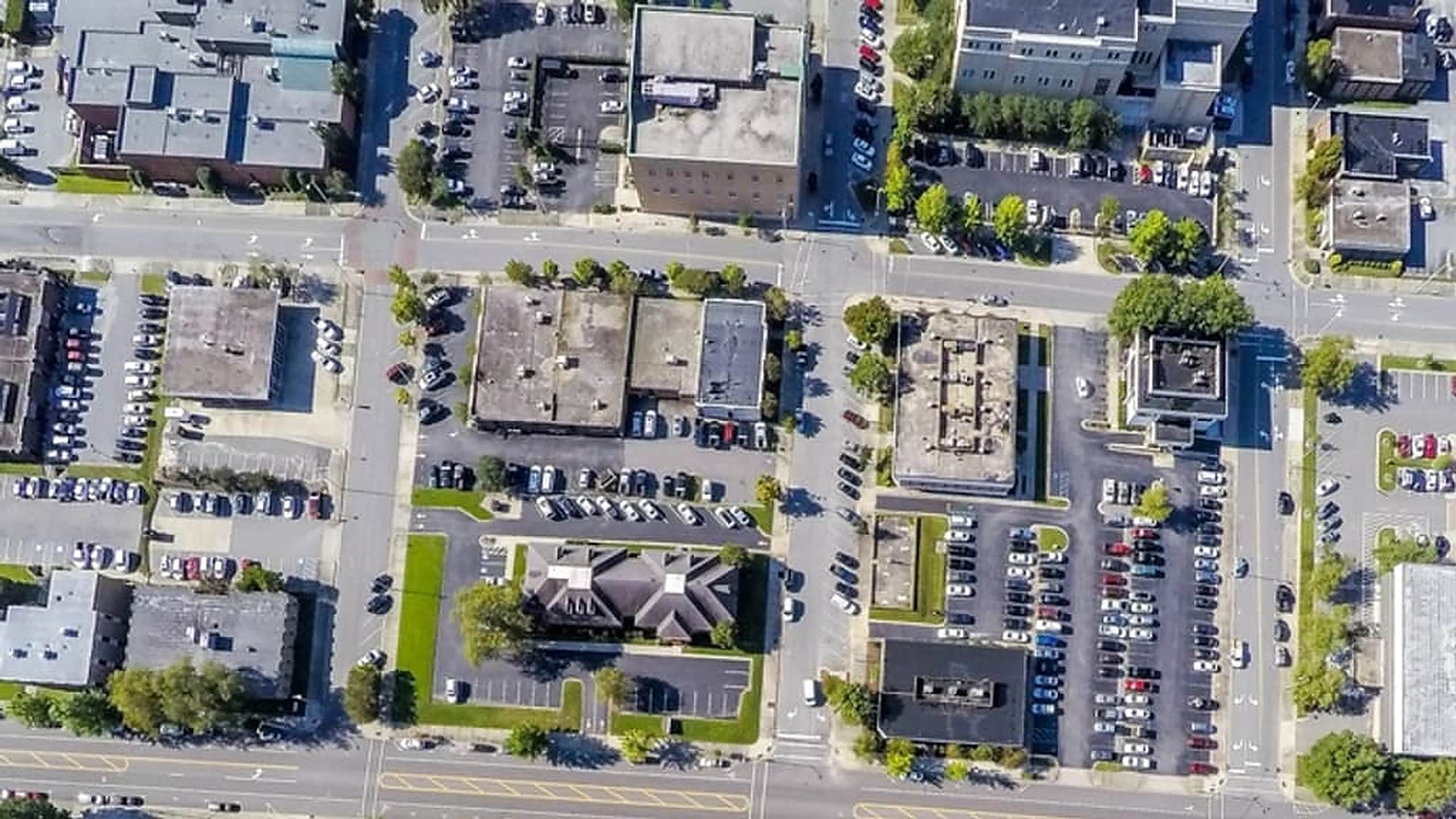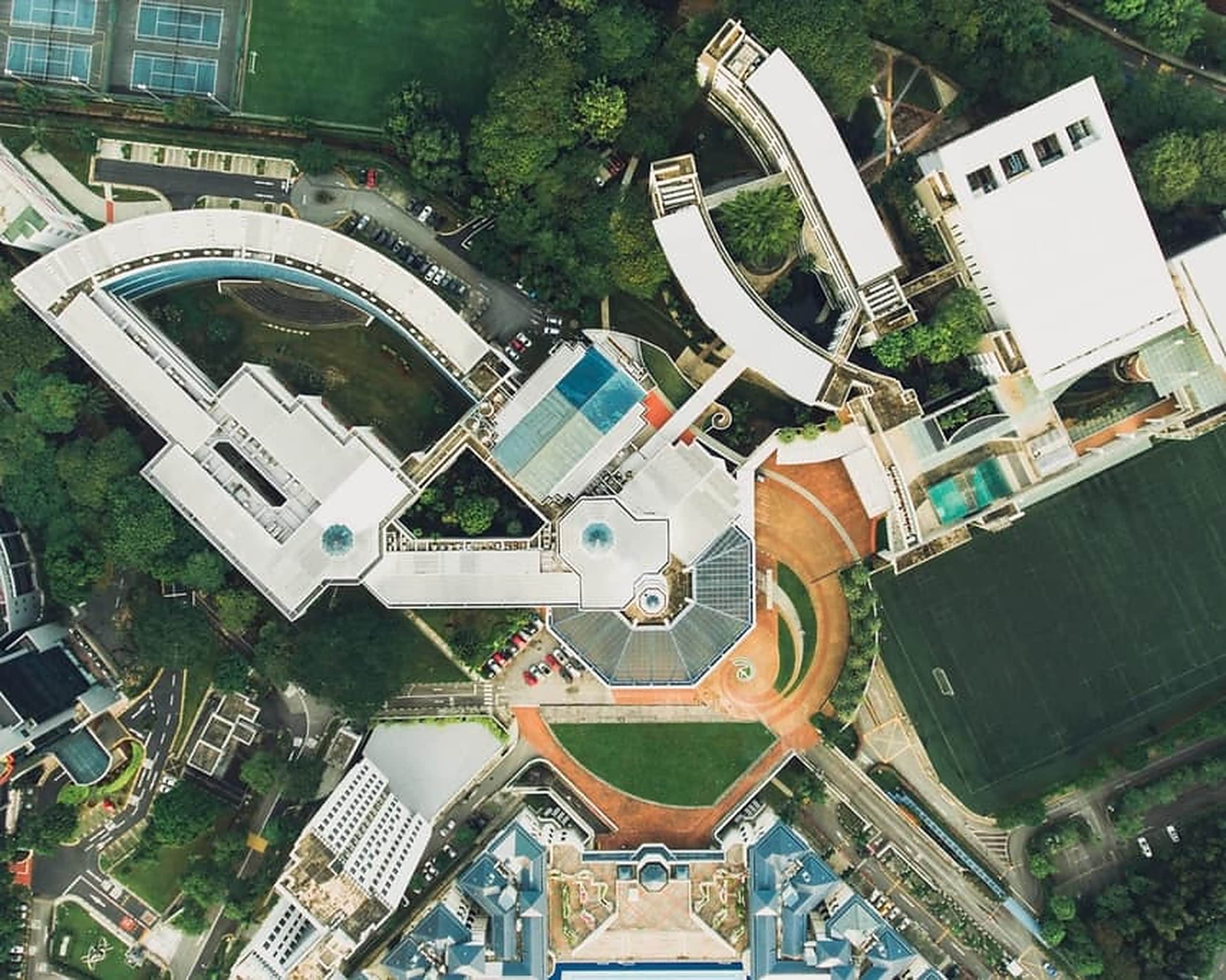
Weather history can help a solar service team decide where additional verification may be worthwhile. It can also create false confidence if a nearby event is treated as proof that a particular system was damaged.
Match the event to the asset
The useful questions are specific. Was the system operating at the time? How close was the event footprint? What intensity or duration was recorded? Are the location and timestamp precise enough to support a property-level inference?
County-level or regional summaries may be useful for broad territory planning, but they should not be presented as if they confirm conditions at an individual roof.
Different exposures suggest different questions
- Hail may justify reviewing inspection records, performance changes, visible context, and owner-reported history.
- High wind may make attachment, debris, access, and post-event inspection history relevant.
- Heavy rain or flooding may increase the importance of drainage, roof, electrical, and access verification.
- Extreme heat may add context for equipment environment, vegetation, roof condition, and performance review.
- Snow, ice, salt air, dust, and recurring shade may matter depending on the territory and system design.
Account for data timing
Current imagery may postdate an event, predate it, or be too low-resolution to show meaningful changes. Service records may be incomplete. Ownership may have changed. A credible report should state those timing limits rather than silently blending sources from different periods.
Turn exposure into a verification plan
The strongest use of weather data is to assign the next appropriate action. That may be records review, monitoring-data comparison, owner contact, qualified inspection, or no action when the evidence is too weak.
Combined with asset age, site context, available service history, and commercial fit, weather exposure can make a large maintenance territory more manageable without overstating what remote data proves.